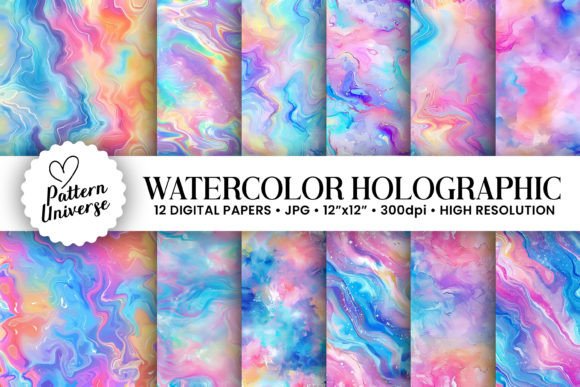
Watercolor Holographic Backgrounds: A Modern Design Asset
Finding the right background is often the most critical step in a design process. It sets the entire mood, establishes a visual foundation, and can either elevate a project or hold it back. For creators seeking a blend of organic artistry and modern, eye-catching appeal, Watercolor Holographic Backgrounds offer a unique and versatile solution. These textures combine the soft, fluid nature of watercolor paint with the dynamic, light-refracting effect of a holographic finish, resulting in a design asset that feels both handmade and futuristic.
Understanding the Visual Appeal of Holographic Textures
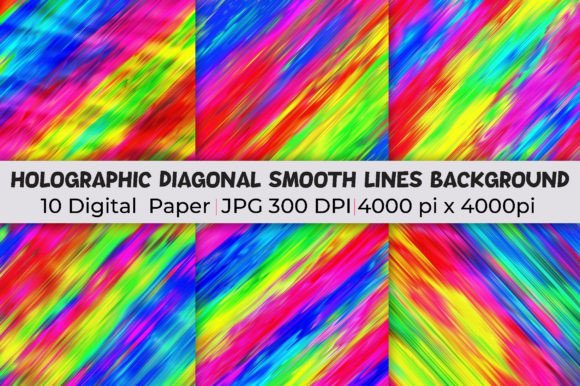
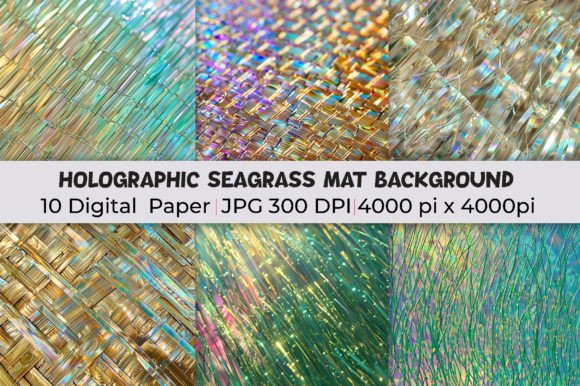
At their core, these backgrounds are about contrast and dimension. The watercolor element provides a sense of warmth, artistry, and imperfection. You see the subtle blending of colors, the gentle washes, and the soft edges that make each piece feel unique and crafted. Layered on top is the holographic effect—a spectrum of iridescent colors that shift and shimmer depending on the angle of view. This isn't a flat, static graphic; it's a premium font for your background layer, one that suggests movement and energy. The result is a texture that captures light in a way that feels magical and premium, making it a standout choice for projects that need to grab attention immediately.
Where These Backgrounds Truly Shine
The versatility of Watercolor Holographic Backgrounds is one of their greatest strengths. They are not limited to a single application but can be integrated into a wide array of creative and commercial projects.
Craft and Physical Product Design
For crafters and small business owners, these textures are a game-changer. Imagine using them for:
- Gift Wrapping and Packaging: Create custom wrapping paper, gift tags, or tissue paper that makes any present feel luxurious and special.
- Greeting Cards and Invitations: Design birthday, wedding, or holiday cards that stand out. The holographic shimmer adds a celebratory, high-end feel that plain cardstock can't match.
- Tumbler Wraps and Decals: The seamless, high-resolution nature of these digital papers makes them ideal for creating wraps for drinkware, phone cases, and other custom merchandise.
- Scrapbooking and Journaling: Add a touch of magic to memory-keeping projects. They serve as stunning backgrounds for photos, mementos, and journal entries.
Digital and Branding Applications
Beyond physical crafts, these backgrounds are powerful tools for digital creators and brand strategists.
- Social Media Graphics: In a crowded feed, a holographic watercolor background stops the scroll. Use it for post backgrounds, story highlights, or profile banners to create a cohesive and visually striking brand presence on platforms like Instagram and Pinterest.
- Website and Blog Design: A subtle, slightly muted version can be used as a website header or section background to add depth and character without overwhelming the text. It's a way to incorporate modern typography principles by pairing a dynamic background with clean, legible sans serif font choices for body copy.
- Presentation and Media Kits: Move beyond standard corporate templates. Using a Watercolor Holographic Background in a presentation can make your content more memorable and engaging, helping to communicate a brand identity that is creative, innovative, and confident.
- Digital Products: If you sell planners, digital stickers, or online course materials, these backgrounds can be used to design beautiful covers, inserts, and worksheets that feel valuable and professionally designed.
Practical Guidance for Using These Assets
Integrating such a bold design element requires some thoughtful consideration to ensure it enhances, rather than detracts from, your project.
Evaluating Project Fit and Brand Alignment
First, consider your project's goal and your brand's personality. These backgrounds exude creativity, modernity, and a touch of playfulness. They are an excellent fit for brands targeting a younger, trend-aware audience or for projects related to art, beauty, fashion, and technology. For a very traditional, minimalist, or corporate brand, they might feel out of place unless used very subtly. Always ask: does this texture support the message I want to send?
Working with Typography and Readability
The biggest challenge with any vibrant background is ensuring your text remains readable. The holographic shifts and color variations can compete with letterforms. Here’s how to maintain a strong visual hierarchy:
- Contrast is Key: Place your text on the least busy or most neutral-colored area of the background. You may need to use a color picker tool to find a spot with consistent tone.
- Add a Barrier: Consider placing a semi-transparent shape (like a white or dark gray rectangle with reduced opacity) behind your text. This creates a solid field for the type to sit on, improving legibility dramatically.
- Choose the Right Typeface: Pair the organic, decorative background with a clean, simple typeface. A bold, geometric sans serif font often works best for headlines, while a highly readable serif or sans serif should be used for any longer body text. Avoid overly complex script font or handwritten font styles for primary information, as they can get lost in the texture.
Technical Considerations and Licensing
The provided package includes 12 high-resolution, 300dpi files sized at 3600x3600 pixels. This is print-ready quality, crucial for any physical application where you need crisp, clear results. For digital use, you can comfortably scale and crop these backgrounds to fit various formats, from square social media posts to wide website banners. As with any design assets, always review the licensing terms. Ensure the license covers your intended use, whether it's for personal projects, client work, or commercial products you plan to sell.
In the end, Watercolor Holographic Backgrounds