Whimsical Design with Mushroom Fairy Backgrounds
There is a specific type of visual storytelling that relies heavily on atmosphere rather than loud typography. When you are building a brand or a creative project that centers on nature, magic, or childhood nostalgia, the texture behind your text is just as critical as the typeface itself. This is where the concept of Mushroom Fairy Backgrounds comes into play. It is not merely about decoration; it is about establishing a world. If you have ever struggled to find the right digital canvas that balances intricate detail with functional space, the solution often lies in curated asset packs designed specifically for this aesthetic.
Defining the Aesthetic: Forestcore and Whimsy
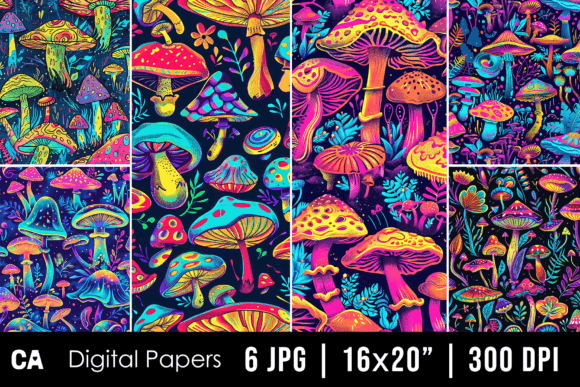
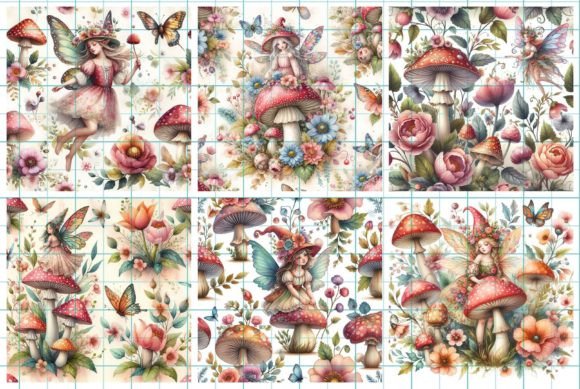
When we talk about Mushroom Fairy Backgrounds, we are discussing a visual language rooted in the "cottagecore" or "forestcore" movements. These design assets typically feature a palette of earthy tones—moss greens, rich browns, twilight purples, and soft ochres. The visual characteristics often include soft textures that mimic watercolor or gouache, avoiding the harsh lines of vector graphics. You will frequently see motifs of toadstools, ferns, fireflies, and ethereal light sources. The overall appeal lies in its ability to create an immediate sense of wonder and intimacy. It feels handmade and organic, which is a powerful counterpoint to the sleek, sterile minimalism that has dominated web design for the last decade.
For the designer or content creator, the personality of these backgrounds is soft, mysterious, and inviting. They do not scream for attention; they whisper. This makes them incredibly versatile for projects where the focus needs to remain on the content, but the "vibe" needs to be unmistakable. Whether you are a crafter selling handmade goods on Etsy or a publisher working on a children’s book cover, the right background sets the emotional stage before the viewer even reads a single word.
Strategic Applications for Modern Creators
The utility of a resource like the "12 mushroom fairy backgrounds 1 zip file" extends far beyond simple desktop wallpapers. In the realm of brand identity, consistency is king. If your brand leans into botanical or magical themes, these backgrounds provide a cohesive visual library. Imagine using one specific texture from the pack for your Instagram story highlights, another for your email newsletter header, and a third for the background of your business cards. This repetition builds recognition without being repetitive.
For marketing professionals and entrepreneurs, these assets solve the "stock photo fatigue" problem. Generic stock photography often feels inauthentic. However, a textured, illustrated background can elevate a simple quote graphic or a product announcement into something that feels curated and premium. Here are a few practical ways to deploy these assets:
- Social Media Graphics: Use the backgrounds to create quote cards or announcements on Instagram and Pinterest. The intricate details stop the scroll.
- Print on Demand: These textures can serve as the base layer for notebook covers, tote bag designs, or greeting cards.
- Website Hero Images: A faint, blurred version of a mushroom background can add depth to a website header without interfering with navigation.
- Zoom/Video Backgrounds: For content creators and streamers, a virtual background with a fairy-tale forest vibe can set a distinct mood for interviews or storytelling sessions.
Typography and Hierarchy: The Crucial Balance
One of the biggest challenges with ornate backgrounds is maintaining readability. A busy background can easily swallow a sans serif font or a delicate script font. When working with Mushroom Fairy Backgrounds, your choice of typeface is a critical decision in modern typography. You need to create a strong contrast so that your message isn't lost in the foliage.
If your background features intricate mushroom details and scattered spores, a bold, geometric sans serif font usually works best. The clean, sharp edges of the letters contrast with the organic, soft shapes of the background, ensuring legibility. Conversely, if you are using a background that has a lot of open negative space—perhaps a simple watercolor wash—you might get away with a more expressive display font or even a handwritten font. The goal is to treat the background and the text as a relationship; one must support the other. A common mistake in editorial design is placing text directly over the busiest part of the image. Always look for the "quiet spots" in the texture to place your headlines.
Evaluating the Asset Pack: The "1 Zip File" Advantage
Efficiency is vital for busy professionals. Downloading a "12 mushroom fairy backgrounds 1 zip file" is a workflow game-changer compared to hunting for individual images. However, before you integrate these into your design assets, you need to evaluate the quality and the licensing. Not all digital assets are created equal.
First, check the resolution. For print design or packaging design, you need high-DPI files (usually 300 DPI) to avoid pixelation. If you are only doing web design, 72 DPI might suffice, but having high-res files gives you flexibility. Second, look at the color grading. Do the 12 images feel like they belong to the same family? If one is neon green and the others are pastel, it breaks the cohesion of your brand identity.
Third, and most importantly, understand the commercial licensing. If you are a small business owner using these for client work or product sales, you must ensure the license permits commercial use. "Personal use only" licenses are common in free packs, but for professional logo design or merchandise, you need clear rights to avoid legal headaches later. Always read the readme file included in the zip folder. A well-organized asset pack will clearly state what is allowed, giving you the confidence to build your business on top of these visuals.
Integrating Fairy Themes into Professional Contexts
There is a misconception that "fairy" or "whimsical" themes are strictly for children's products. In reality, the premium font and design market has seen a surge in sophisticated, adult-oriented fantasy aesthetics. Think of the popularity of fantasy literature, cozy video games, and the "dark academia" or "goblincore" trends. Mushroom Fairy Backgrounds can be incredibly effective for adult audiences when styled correctly.
For example, a wellness brand focusing on herbal supplements or adaptogens could use these backgrounds to communicate natural ingredients and ancient wisdom. A tarot reader or a metaphysical shop can use them to create an immersive atmosphere. Even in editorial design for a magazine feature on escapism or nature retreats, these textures add a layer of tactile realism. The key is to avoid "kiddifying" the layout. Pair the backgrounds with sophisticated typography—perhaps a classic serif font for body text and a modern geometric sans for headers—and you create a juxtaposition that feels mature and intentional.
Ultimately, these backgrounds are tools for connection. They tap into a collective memory of fairy tales and quiet forests. By using the "12 mushroom fairy backgrounds 1 zip file" effectively, you are not just decorating a page; you are inviting your audience into a specific emotional space. Whether you are crafting a logo, designing a social media campaign, or laying out a book, these assets provide a rich, organic foundation that generic textures simply cannot match.